Most of the hard parts of a senior move aren’t the drive. They’re the weeks before it, when a lifetime of belongings has to be sorted, and the first night after, when your loved one is settling into a room that doesn’t feel like home yet. The seven steps below explain how professional moving crews handle both ends of a senior relocation in Ottawa, and what families can prepare ahead of time.
If the family is still discussing the move together, start with the expert guide to planning a safe senior move. This page picks up once the decision has been made.
1. Planning The Move Around The Person, Not The Truck
A senior move is planned around the person moving: how they get around, what medical equipment travels with them, what time of day suits them best, and the rules of the building they’re moving into. The truck and crew are scheduled after those details are known, not before.
Small details shape the whole day. If your mother uses a walker, it stays with her until the last load and goes into the new home first. If she uses oxygen, the concentrator has its own place in the plan. If the retirement residence offers the service elevator only from 10 a.m. to noon, the move is built backward from that two-hour window.
Before booking, it helps to have three things ready:
- Room measurements or a floor plan of the new home
- The building’s move-in rules in writing
- The name of one person the crew can go to with questions on the day
Families who prepare these in advance usually have a calmer move. Without them, decisions tend to get made in the hallway on moving morning.
2. Sorting The Home, With The Senior Making The Decisions
A moving crew can help sort a home into what’s moving, what’s going to family, and what’s being donated or removed, then take away what isn’t coming so it doesn’t sit in the old house for weeks. The crew handles the lifting. The person moving makes the decisions.
That division matters. Your loved one is fully capable of deciding whether to keep a sewing machine; they simply shouldn’t have to carry it up from the basement to look at it.
Sorting usually starts in the rooms with the least emotional weight: the garage, the spare room, the linen closet. Photo albums and the bedroom come last. Items are moved into separate piles as they’re decided, so the same lamp doesn’t get decided three times.
A practical tip: if a relative wants a piece, arrange for them to pick it up before moving day. “Undecided” items almost always end up on the truck, and in a smaller apartment they become the boxes nobody opens. The guide on downsizing before a move covers the decision-making side in more detail.
3. Packing That Keeps The Important Things Easy To Find
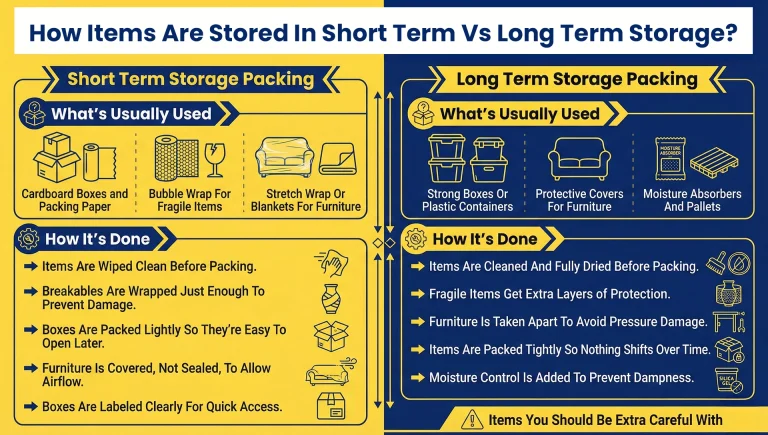
The crew packs the home, and fragile or sentimental pieces (framed photos, china, heirlooms, antique furniture) are wrapped and boxed separately from everyday items. Boxes are labelled for the room they’re going to in the new home, not the room they came from.

Labelling this way saves more time than anything else on unpacking day. When a three-bedroom house becomes a one-bedroom apartment, the old dining room might become a corner of the living room. A box marked “dining room” doesn’t help there. A box marked “living room, cabinet by window” does.
The boxes your loved one cares about most are loaded last, so they come off the truck first.
Before the crew arrives, choose one closet or room as a “do not pack” zone and place everything travelling with the family in it: medication, glasses, hearing aids and spare batteries, phone charger, ID and health card, banking papers and jewellery. Let the crew know where it is and it will be left untouched. Packing materials and options are covered on the packing services page.
4. Proper Equipment, So No One In The Family Lifts Furniture
Professional moving crews arrive with a padded truck, straps, moving blankets, dollies, hand trucks and tools for taking furniture apart and reassembling it. The equipment protects the furniture and ensures no one in the family, especially the person moving, has to carry anything heavy.
Long-time family homes often hold some of the heaviest furniture movers handle: solid oak dressers, china cabinets, lift recliners, and basement chest freezers. Dollies and straps bring these down narrow stairs without damage to walls, floors or anyone’s back.
If the home has a piano, a safe, a gun cabinet or another unusually large item, mention it when booking. These can require an extra mover or different equipment.
5. A Moving Day That Works Around The Senior
On moving day, the crew keeps walkways clear, leaves mobility aids and essentials where they’re needed until the very end, and works at a pace that never rushes the person moving. No one should be asked to lift boxes or stand outside for hours while the truck is loaded.
Many families find it easiest for their loved one to spend the loading part of the day elsewhere: lunch with a grandchild, an afternoon with a friend, or resting in the new home once the bedroom is set up. Watching a long-time home being emptied can be emotional, and a busy house full of boxes and cords is also where trips are most likely.
During an Ottawa winter, make sure the steps and walkways at both addresses are cleared and salted before moving day. Hours of foot traffic quickly packs snow into ice, and that’s the same path your loved one will use.
Choose one family member to be the crew’s contact for the day. When two people give different directions, the day slows down and becomes confusing for everyone.
6. Setting Up The New Home So The First Night Feels Familiar
At the new home, the crew reassembles furniture, places it according to the floor plan, and unpacks the basics so your loved one can live comfortably there that first night. The bed comes first, then the bathroom, then a kettle and a couple of mugs.
A familiar first night matters more than a fully unpacked apartment. If the bed is on the same side of the room as before, with the same lamp on the same nightstand, getting up during the night feels natural rather than disorienting, which also lowers the risk of falls.
| Setup Order | Why It Goes Here |
| Bed, placed as it was in the old room | Familiar layout at night, lower fall risk |
| Bathroom essentials | Needed the first evening |
| Favourite chair, lamp and TV | A comfortable place to sit right away |
| Kettle, a few dishes, cutlery | Enough for the first few days |
| Everything else | Over the following week, at their own pace |
Tape a copy of the floor plan inside the front door with the bed, dresser and chair marked. The crew can then place furniture without repeatedly asking where each piece belongs.
7. Clear Billing And Clear Terms For Belongings
Senior moves are billed hourly. The written estimate lists the hourly rate, the expected hours and any separate charges before booking, so families know how the final bill will be calculated.
The basic formula:
(Crew hourly rate × hours worked) + any agreed extras + 13% HST = total
The factors that add time to a senior move are usually predictable: how much is already packed when the crew arrives, stairs and long walks to the truck, elevator waits at a residence, and whether sorting and removals happen on the same day.
Belongings are covered during the move under the terms of the moving contract, which sets out the coverage limit and the claims process. Review that section before moving day. Whatever the coverage, jewellery, cash and important documents should travel with the family, not on the truck.
What A Moving Crew Won’t Do
It helps to know where the crew’s role ends. The crew won’t decide what your loved one keeps; those choices are theirs. Medication, oxygen and anything needed that day stay with the family. Address changes, power of attorney and home-sale paperwork are also handled by the family. Propane tanks, paint, fuel and similar hazardous items can’t be transported on the truck.
Frequently Asked Questions
Q. How Far Ahead Should A Senior Move Be Booked?
A. As soon as the move-in date is confirmed. Six to eight weeks is comfortable. Month-end dates and summer Saturdays fill first, and some retirement residences only allow moves on certain weekdays. If a long-term care bed becomes available on short notice, call the same day.
Q. Can My Parents Stay In The Home While It’s Being Packed?
A. Yes. Packing starts with the least-used rooms and ends with the bedroom, bathroom and kitchen, so daily routines can continue until the last day or two. In larger homes, packing is often done on a separate day before the move.
Q. The Residence Only Allows A Two-Hour Elevator Slot. Is That Enough?
A. Usually, if the plan is built around it. Everything is packed and staged near the door at the old home, the crew size is set so unloading fits the window, and bedroom furniture comes off the truck first in case time runs short.
Q. I Live Outside Ottawa. Can I Organize The Move From Where I Am?
A. Yes. You’ll need one decision-maker reachable by phone on moving day and someone local who can open the door. Send the floor plan, the building’s rules and the list of items going to family members ahead of time.
Q. What Should Never Go On The Moving Truck?
A. Medication, glasses, hearing aids, chargers, ID and health card, banking and legal documents, jewellery, cash, and anything irreplaceable. Keep these in one bag that stays with your loved one or with a family member.