

Gatineau continues to grow, and its proximity to Ottawa makes it a practical choice for people whose work, family, or housing search spans the river. Statistics Canada estimates show Gatineau’s population growing from 293,052 in 2021 to 306,105 in 2025.
Yet choosing Gatineau is only part of the decision. The month you relocate can affect how many properties are available, how quickly movers become booked, what you may pay, and whether snow, rain, heat, or traffic complicates the job.c
This moving guide compares the winter, spring, summer, and autumn seasons. It helps you choose the best time to move to Gatineau based on your housing search, budget, household schedule, and preferred conditions.
Why Your Moving Date Matters More Than You Think
A moving date is not simply the day you collect the keys. It can shape your housing options, the companies available to you, and the final cost.
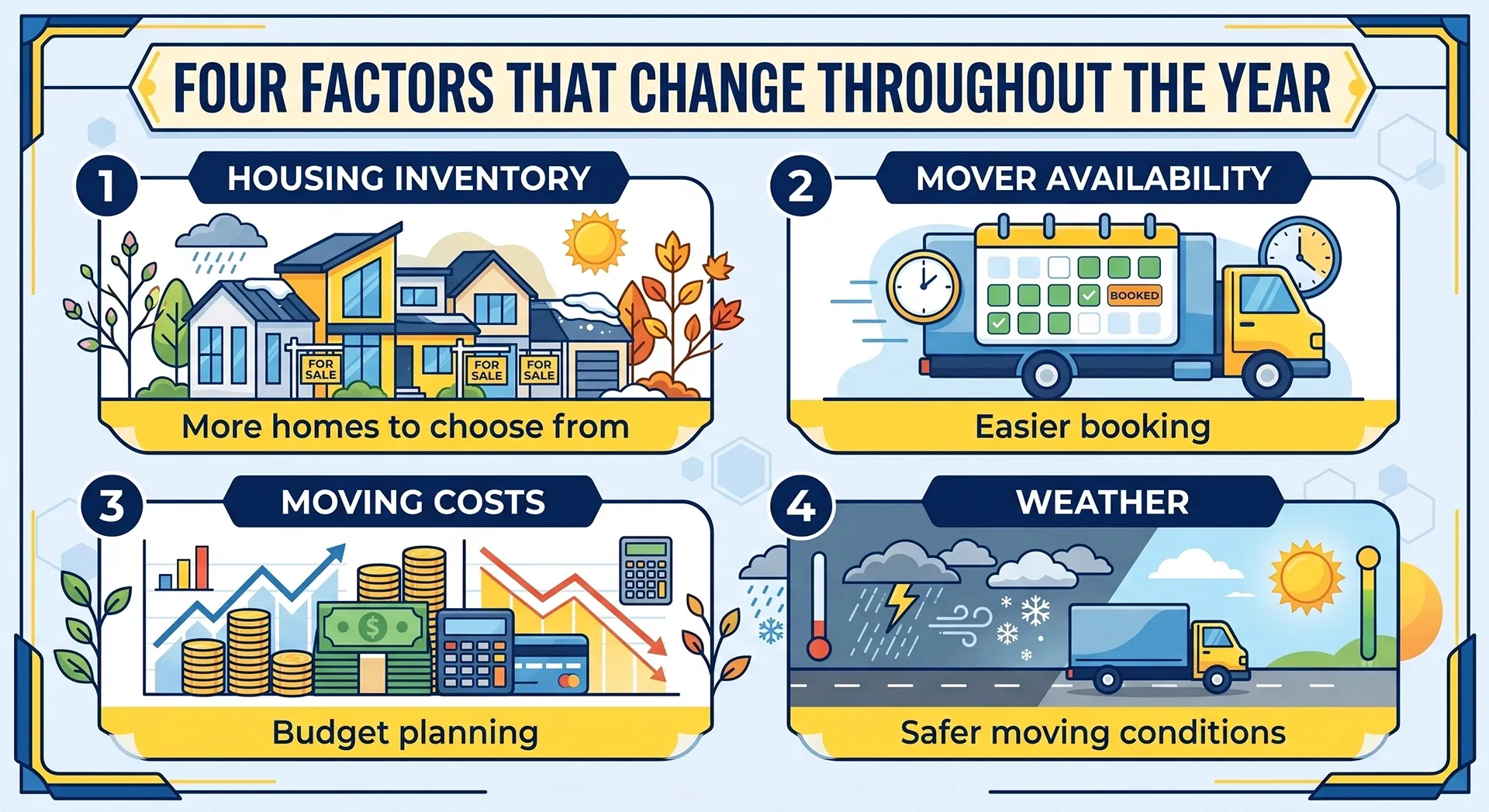
Housing inventory changes with the selling and rental cycle. More properties usually appear during spring and summer, giving you a wider selection. The trade-off is stronger competition and faster decisions.
Mover availability follows a different pattern. Winter schedules usually have more openings, while late June, July, weekends, and month-end dates fill quickly.
Moving costs often rise when demand is high. Summer and peak lease periods may bring higher rates or fewer choices. Winter can offer better pricing, although weather delays remain possible.
Weather and road conditions affect loading speed, driving time, floor protection, and entrance safety. Dry autumn conditions are easier to work in than freezing rain or deep snow.
Understanding these seasonal changes makes it easier to choose a moving date that matches your budget, lifestyle, and timeline.
Quick Decision Guide
The best time to move in Gatineau depends on what matters most to you. Use this table to compare each option and its main trade-off.
| If Your Priority Is… | Best Time to Consider | Main Trade-Off |
|---|---|---|
| Lower moving costs | January to February | Fewer listings and greater snow risk |
| More homes to compare | May to August | Faster competition and higher moving demand |
| Easier mover booking | January, February, October or November | Weather becomes less predictable later in autumn |
| Comfortable conditions | September to early October | Fewer new listings than spring or summer |
| Moving before school begins | Early August | Limited mover availability unless booked early |
| Best overall balance | September to early October | Property selection may be narrower than summer |
| Moving around July 1 | Book for the exact possession date | Highest demand and limited scheduling flexibility |
Book Your Gatineau Move In Any Season
Whether you are moving in winter, spring, summer, or autumn, share your move details today to secure your preferred date.
Gatineau Moving Calendar By Season
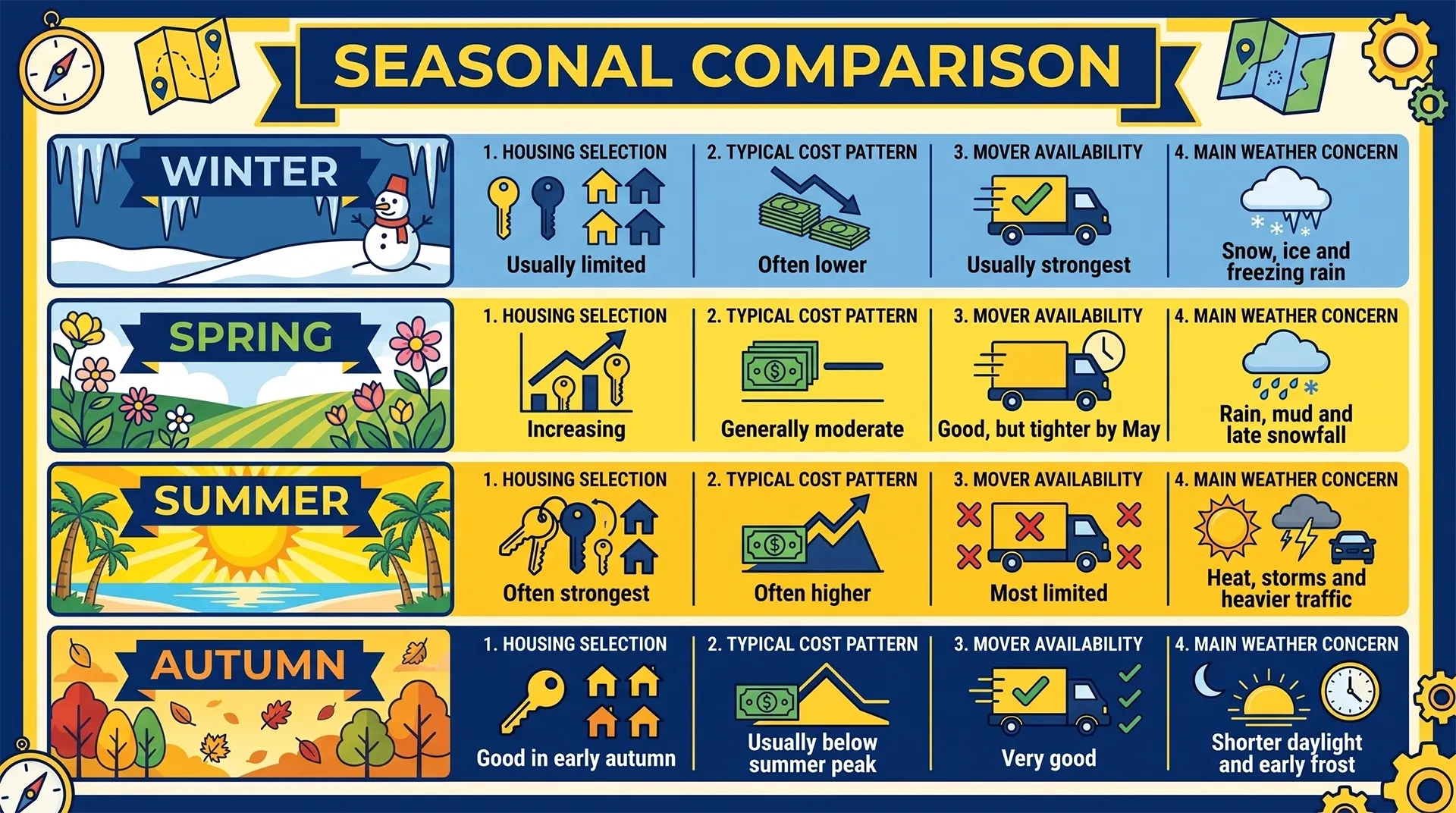
Each season offers a different combination of property choice, pricing, mover availability, and working conditions.
Housing availability does not follow exactly the same pattern for everyone. Buyers are watching the number of homes listed for sale, while renters are more affected by lease expiry dates and Quebec’s July 1 rental cycle. Keep your housing type in mind when comparing the seasons below.
Winter: December to February
- Housing inventory: Winter generally has fewer listings. Some sellers wait until spring, and fewer renters change homes during the coldest months. This can limit your choices, especially when you need a specific property type, closing date, or rental size.
- Mover demand: This is usually the quietest period. You have a better chance of securing your preferred date, arrival time, required truck size, and service options.
- Typical moving costs: Rates are often more competitive because fewer households relocate. Ask whether the quote includes travel, floor protection, fuel charges, winter access requirements, and any minimum booking period.
- Weather considerations: Snowfall, freezing rain, icy steps, and reduced visibility can slow loading and driving. Keep plants, liquids, medication, and temperature-sensitive electronics with you rather than leaving them in an unheated truck for an extended period.
- Reality Check: Snow, freezing rain, and icy driveways can occasionally delay loading or unloading.
- Planning Tip: Clear snow and ice from walkways, reserve parking close to the entrance, and monitor forecasts several days in advance. Keep salt available, confirm exterior lighting works, and place absorbent mats at both entrances.
Spring: March to May
- Housing inventory: Listings begin increasing as sellers prepare for the active market. By April and May, buyers usually have more homes to compare than during winter.
- Mover demand: Demand is balanced early in the season but rises as May approaches. Weekday openings may remain available after popular weekends begin filling.
- Typical moving costs: Prices are generally moderate. Compare every company using the same inventory, travel distance, staircase information, and access details.
- Weather considerations: Temperatures are more comfortable, but early spring can still bring wet snow, rain, thawing ground, and sudden temperature drops.
- Reality Check: Late snowfalls, heavy rain, and muddy conditions can still occur during early spring.
- Planning Tip: If you are targeting a late-May weekend, begin comparing companies in April. Mention muddy driveways, soft ground, or long outdoor carrying routes before requesting the estimate, and keep boxes off wet pavement.
Summer: June to August
- Housing inventory: Listings often build through spring and remain strong into summer, although the exact timing varies by year and property type. Buyers and renters may have more properties to compare, but desirable homes can still attract quick interest.
- Mover demand: This is the busiest season. Families relocate during school holidays, buyers complete spring purchases, and renters change apartments. Trucks and convenient time slots become limited.
- Typical moving costs: Summer often brings the highest prices. Request a written estimate that includes crew size, truck size, travel charges, included equipment, deposit terms, and the expected total.
- Weather considerations: Warm, dry days are easier than snow, but extreme heat can slow physical work. Medication, food, candles, plants, records, and some electronics should not remain in a hot truck.
Local Planning Considerations
Quebec’s July 1 lease cycle creates one of the busiest moving periods of the year. Rental turnover concentrates demand for apartments, trucks, parking, and labour within a narrow window. Availability can be limited even when you begin contacting companies several weeks ahead.
Quebec’s Construction Holiday typically runs for two weeks in late July and may extend into early August. Moving companies do not automatically close during this period, but vacation traffic and reduced availability among contractors and building-service providers may affect your plans. Check the current Commission de la construction du Québec calendar before confirming your moving date.
Planning Tip: Reserve movers six to eight weeks ahead for a regular summer date and eight to twelve weeks ahead for late June or July 1. Confirm access before paying a deposit, match the arrival time to the elevator window, identify parking restrictions, and provide an accurate inventory before the truck is assigned. Ask how the company handles a delayed key release.
Autumn: September to November
- Housing inventory: Some summer listings remain available in early autumn, but the number of new properties entering the market may begin to decline. Buyers may still find a reasonable selection without facing the limited supply often seen in winter.
- Mover demand: Demand drops after August. Weekdays, mid-month dates, and preferred arrival times become easier to secure.
- Typical moving costs: Rates are often more competitive than summer prices. You also have more time to compare detailed estimates instead of accepting the first available company.
- Weather considerations: September and October are often comfortable. Conditions become less predictable in November, when frost, wind, and shorter daylight hours affect exterior access.
- Reality Check: Shorter daylight hours and early frost become more common toward November.
- Planning Tip: Choose an earlier start in October or November so exterior loading can be completed before daylight fades. Confirm when the keys will be released and schedule the truck afterward so you are not paying for the crew to wait outside the property.
Which Season Is Right For Your Situation?
Families
Summer gives families time to relocate, unpack, update school records, and learn the new route before classes begin. The disadvantage is strong competition for properties and service dates. June or early August may be easier than the final days of June or July 1. Leave several days between receiving the keys and the first school commitment so the household is not forced to finish everything immediately.
First-Time Buyers
Spring and summer offer more homes to compare price, condition, and layout, but more choice does not always mean more time. Properties may receive offers more quickly, and the seller’s requested closing date can shape your schedule. Once a closing date is accepted, start collecting estimates rather than waiting for every remaining step to finish. Review cancellation and date-change terms before paying a deposit.
Seniors
Late spring and early autumn avoid the most difficult winter conditions and strongest summer heat. A weekday booking may provide quieter access and a less rushed schedule. Keep medication, documents, mobility equipment, and an overnight bag away from the truck. When possible, separate packing and transportation into different days so the workload is not concentrated into one long stretch.
Renters
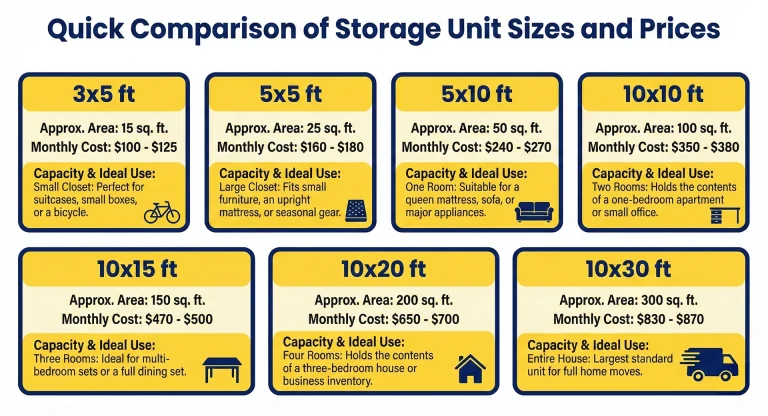
Renters should work backward from the lease end date. Quebec’s July 1 cycle creates heavy competition for apartments, while student demand can tighten availability near the end of summer. Confirm exactly when the old unit must be empty and when the new keys will be released. When those times do not align, compare temporary storage with the cost of keeping a truck and workers waiting.
How Far In Advance Should You Book Movers?
| Season | Recommended Lead Time |
|---|---|
| Winter | 2–3 weeks |
| Spring | 3–4 weeks |
| Summer | 6–8 weeks |
| Autumn | 3–4 weeks |
| Late June or July 1 | 8–12 weeks |
These periods are useful starting points, not guarantees. Weekends fill before weekdays, and month-end dates attract more bookings because leases and property closings often align with the calendar.
Long-distance relocations usually need additional notice. The company must schedule driving time, assign the correct truck, and coordinate delivery. Provide the full address, inventory, access details, and preferred delivery window when requesting a quote.
For late June or July 1, booking 2 to 3 months in advance is safer. Do not reserve based only on an hourly rate. Verify the business name, cancellation rules, deposit conditions, crew size, truck capacity, and the policy for delayed possession.
Book Your Gatineau Move With Economical Movers
Moving in Gatineau? Call +1 (343) 292-5550 to discuss your move and reserve your preferred date.
Choosing The Best Time For Your Gatineau Move
The right date depends on the part of your schedule you cannot change. That may be your lease expiry, closing date, school calendar, elevator reservation, or the date your new property becomes available. Once that date is known, check whether moving a few days earlier, later, or on a weekday could give you better pricing and more booking options.
Before confirming the date, compare written estimates, verify when the keys will be released, reserve the elevator or loading area, and provide an accurate inventory. The best time is not necessarily the cheapest or busiest season. It is the period that fits your housing timeline without creating unnecessary waiting, rushed decisions, or avoidable charges.