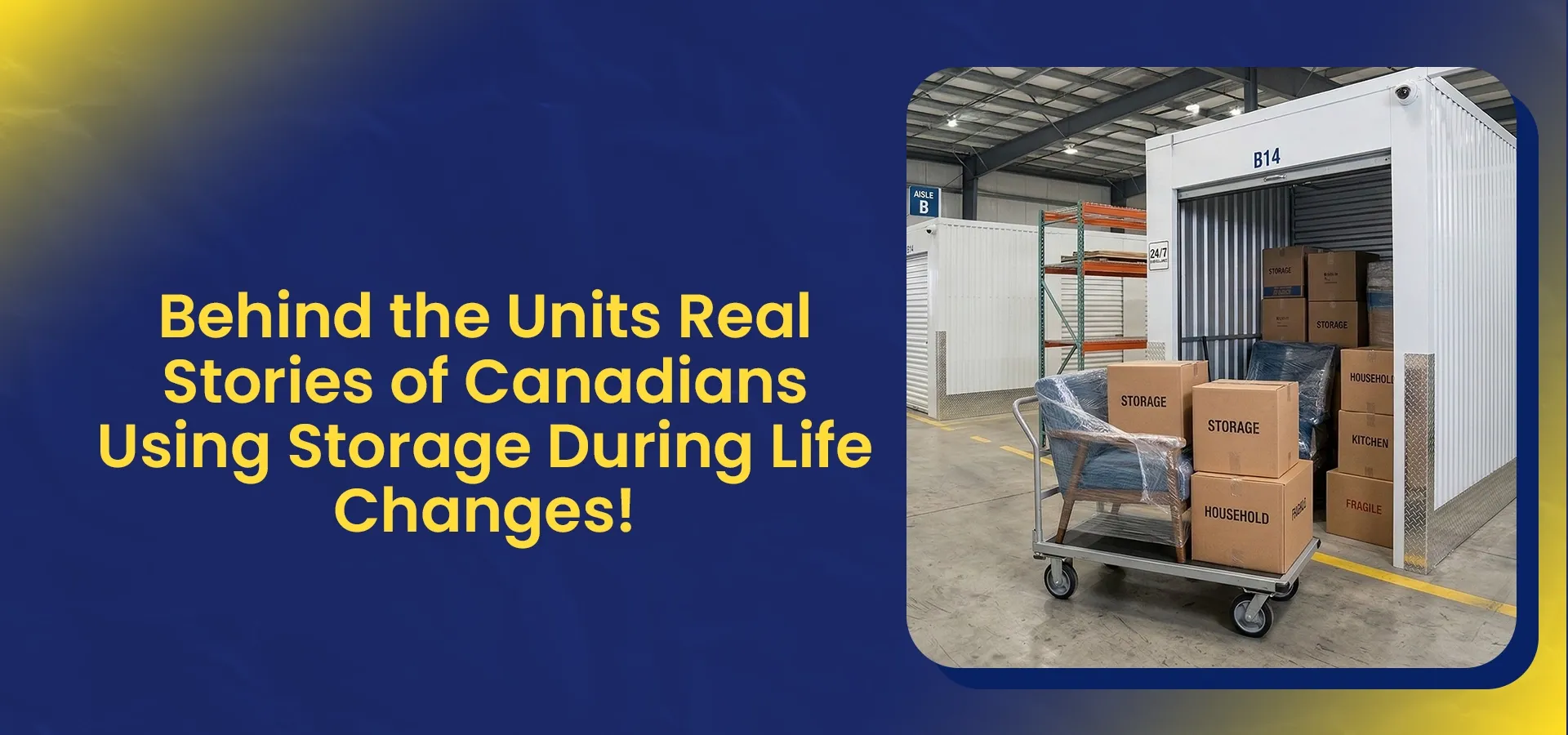
Storage During Life Changes Can Make Moving Easier. See How Canadians Used Storage During Relocation, Downsizing, And Unexpected Life Transitions.
Storage units are often viewed simply as a place for “extra belongings,” but for many Canadians, a unit is the strategic buffer needed during major life transitions. Events such as relocating for a career, renovating a family home, moving for education, or downsizing for retirement often create “timing gaps” where your old lease ends before your new home is ready.
Storage during life changes helps you manage these gaps without the stress of rushing permanent decisions about your furniture or sentimental items. Instead of living out of boxes in a construction zone or paying for a moving truck twice, a well-chosen unit gives you the gift of time.
Using storage during a move allows for maximum flexibility when housing dates, travel plans, or renovation schedules do not perfectly align. Rather than treating storage as “overflow,” think of it as an organized staging area while your plans evolve. This guide shares real experiences and professional strategies to help you choose between short-term and long-term options based on your specific life event.
Career Relocation Storage Solutions For Moving Professionals
A career move often requires quick decisions, especially when job start dates and housing availability do not align. Many Canadians rely on storage units for job relocation during life changes to manage timelines smoothly without rushing permanent housing choices.
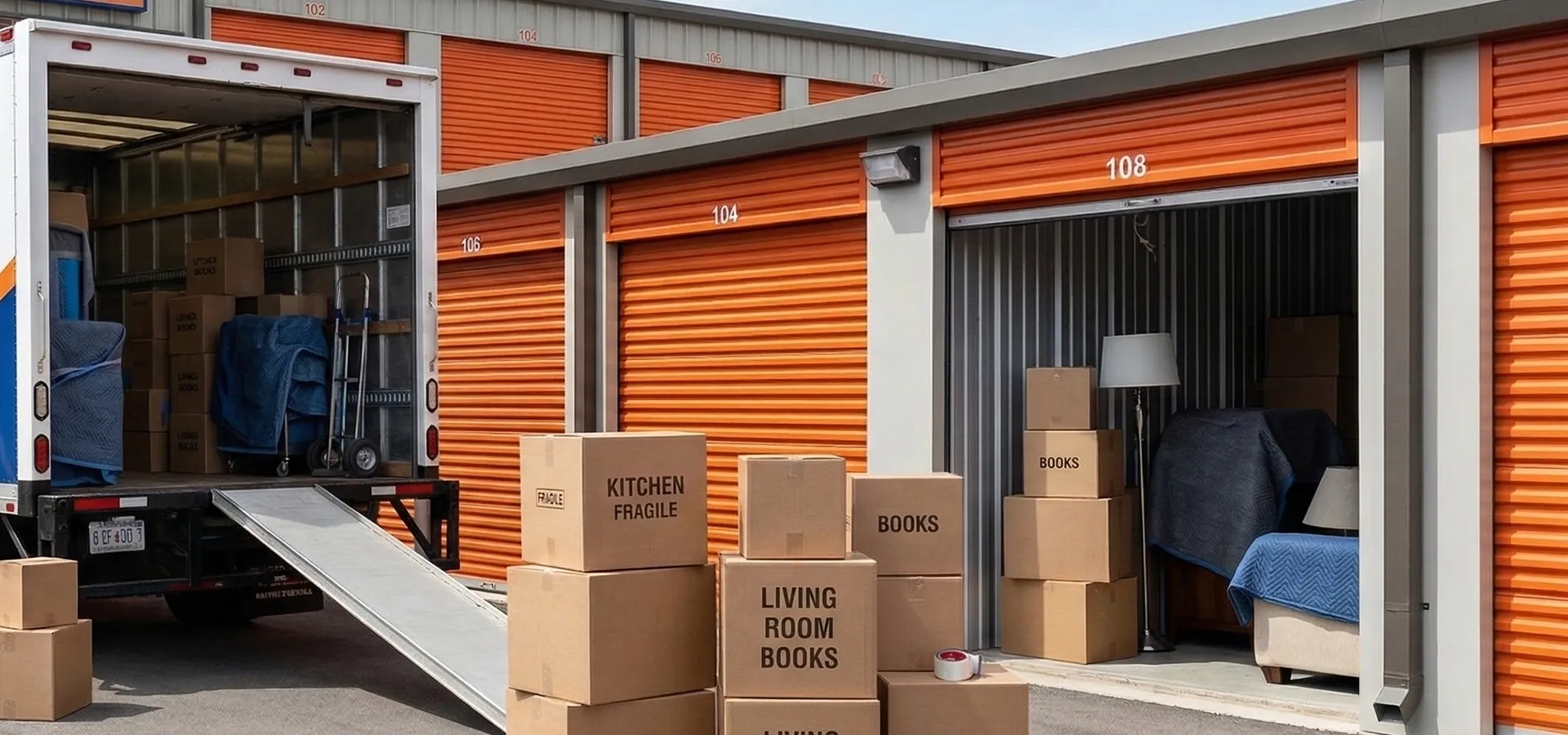
Key Storage Considerations During Career Moves
- Bridge the “In-Between” Gap: Use a storage unit near your new office or neighbourhood. This allows you to move your bulk items once, then house-hunt locally without the pressure of a ticking moving truck clock.
- Prioritize “First-Week” Access: Pack a “Transition Kit” (professional attire, chargers, basic tools, and documents) and store it at the very front of the unit or keep it with you.
- Look for “Month-to-Month” Flexibility: Since corporate housing or home closings can shift, avoid long-term contracts. Ensure the facility offers prorated move-outs so you don’t pay for a full month if you leave on the 5th.
- Verify After-Hours Access: Professionals often need to retrieve items outside of 9-to-5 business hours. Confirm if the facility has 24/7 gate access.
- Compare “Mobile” vs. “Static” Storage: For a cross-province move, consider portable containers that can be dropped at your old home, stored at a depot, and then delivered to your new address.
Storage Between Jobs Moving Made Easy: Decide Between Short And Long Term Storage.
Family Storage Solutions During Home Renovation or Moving Transitions
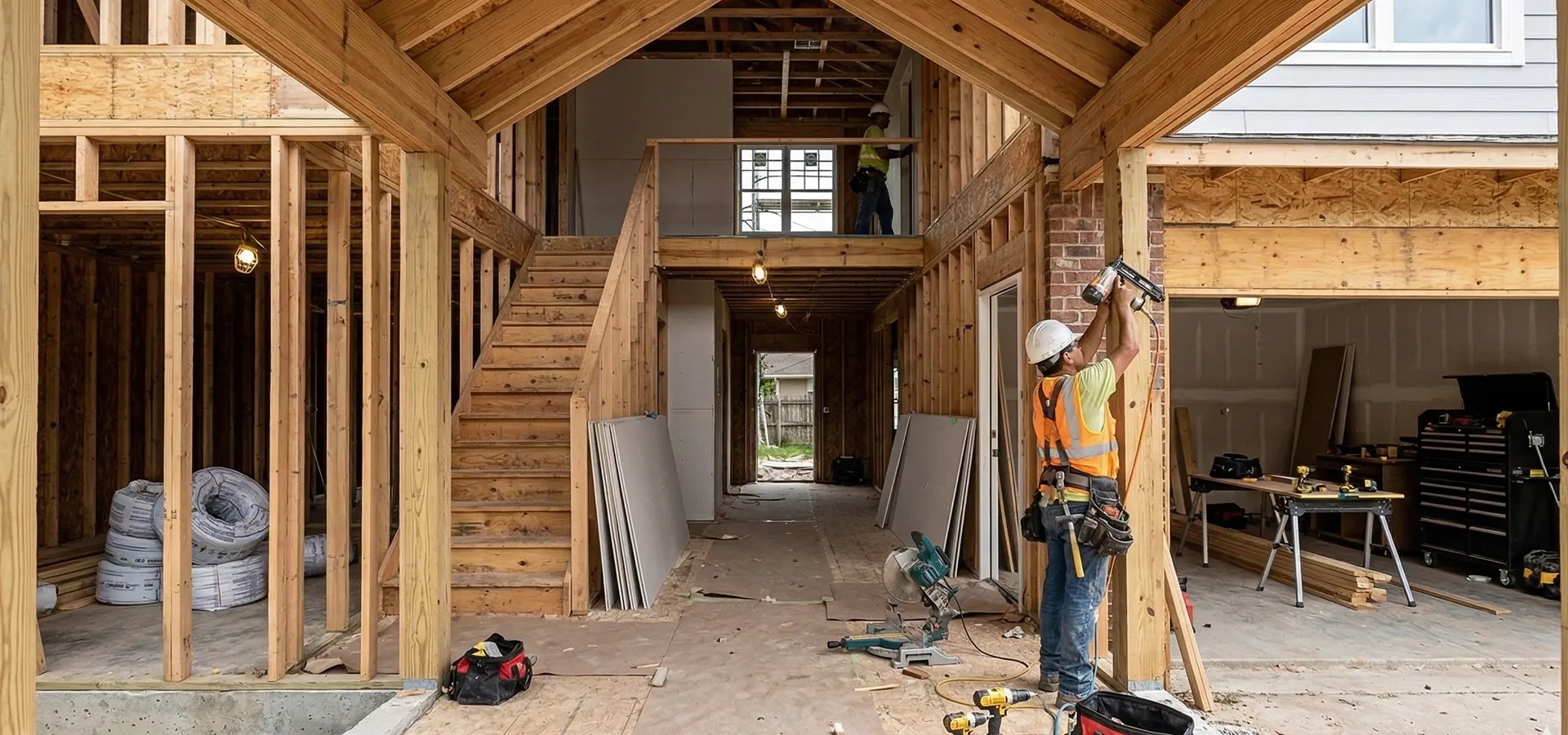
When a family is living through a renovation or relocation, the main challenges are managing dust, maintaining access to essentials, and reducing the stress of living in a construction zone. Many Canadians use storage during life changes to maintain organization while renovation or moving timelines continue to shift.
Important Storage Planning Factors For Families
- The “Room-by-Room” Strategy: Don’t just pack randomly; group items by the room they belong in. This makes moving back in 50% faster once the paint is dry and construction is complete.
- Combat Construction Dust: Even in a sealed unit, fine dust can settle. Wrap upholstered furniture in heavy-duty plastic (breathable for long-term storage, sealed for short-term) and use plastic bins instead of cardboard for better stacking and protection.
- The “Safety Buffer” Zone: Renovations almost always run 2–4 weeks over schedule. Budget for at least one extra month of storage beyond your contractor’s “guaranteed” finish date to avoid last-minute panic.
- Climate Control is Essential for Renovations: Since renovations often happen in peak summer (humidity) or winter (dry cold), a climate-controlled unit prevents wood warping and drywall dust from bonding to sensitive electronics.
- Vertical Space Utilization: Families accumulate the most “bulk” items. Rent a unit with high ceilings and use stable shelving units inside to avoid crushing bottom boxes under heavy appliances.
- Keep the “Home Essentials” Separate: Label a “Last Out, First In” box containing coffee makers, basic kitchen tools, and kids’ favourite toys so the first night back in the renovated space is comfortable and familiar.
Organized Family Transitions: Stay Prepared With Smart Storage Solutions For Life Changes.
Long Term Storage Solutions For Retirement and Downsizing Moves
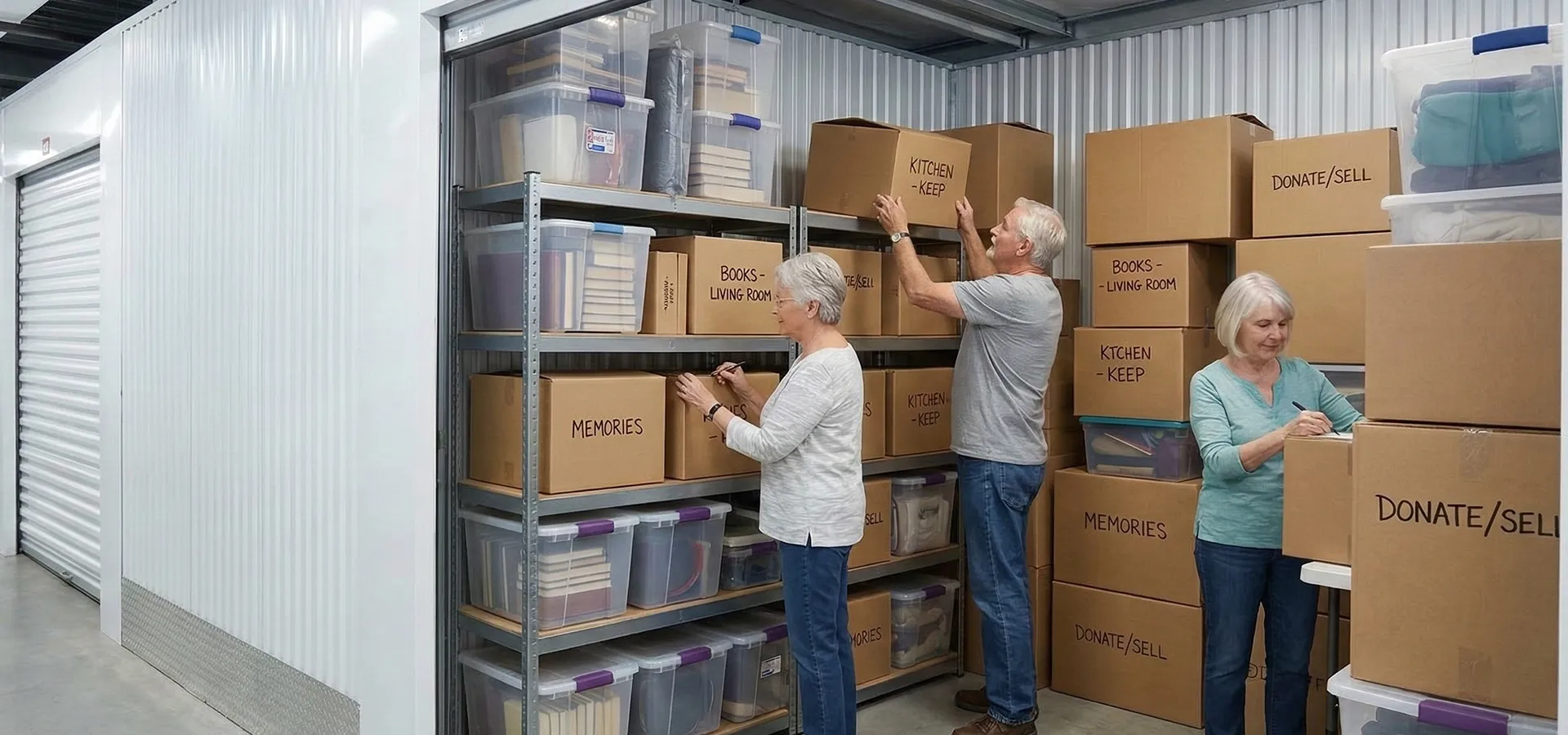
Retirement often brings decisions about relocating, downsizing, or moving closer to family members. Many Canadians use storage during life changes to manage belongings they are not ready to sell, donate, or permanently relocate.
Key Storage Considerations During Downsizing
- The “Decision Buffer” Zone: Don’t feel pressured to purge everything the week you move. Renting a unit for 3–6 months allows you to live in your smaller space first to see what actually fits before permanently letting go of heirlooms.
- The “Museum Quality” Packing: For family bibles, vintage clothing, or oil paintings, use acid-free boxes and archival-grade tissue paper. Standard cardboard can “off-gas” over long periods, damaging delicate fibers.
- Climate Control is Non-Negotiable: Unlike a renovation move (which is short), downsizing storage is often long-term. Humidity and temperature swings in a standard garage-style unit will ruin photographs, leather, and antique wood over a single Canadian winter.
- Create a “Gift-Out” Corner: Store items intended for children or grandchildren near the door. This makes it easy to grab a box to drop off during a Sunday visit without digging through the entire unit.
- Inventory with Photos: Use your phone to photograph the contents of every box before sealing it. Attach a numbered sticker to the box and save the photo to a “Storage” album on your phone so you never have to wonder where the “Good China” is.
- Review Your Insurance Policy: Many retirees have high-value items. Confirm if your storage facility’s standard coverage is enough, or if you need a rider on your homeowner’s insurance for “off-premises” personal property.
Essential Storage Tips Canadians Can Use During Major Life Changes
Life transitions vary, but certain storage strategies remain useful regardless of the situation. Whether relocating, renovating, studying, or downsizing, practical planning helps maximize storage efficiency and protect belongings.

Smart Storage Tips To Follow
- The “Tetris” Rule of Loading: Always place your heaviest items (appliances, solid wood dressers) on the bottom to create a stable base. Store sofas on their ends (if the frame is sturdy) to save massive amounts of floor space, just wrap them in moving blankets first.
- Create a “Center Aisle”: Never pack a unit solid from back to front. Leave a narrow walkway down the middle. This allows you to reach a box in the back corner in 10 seconds rather than spending two hours unloading the entire unit.
- The “Vapor Barrier” Secret: Even in high-end facilities, concrete floors can hold moisture. Lay down a cheap plastic tarp or, better yet, use wooden pallets to keep your boxes and furniture 2 inches off the floor. This prevents “wicking” moisture from damaging your items.
- Label Like a Pro: Don’t just write “Kitchen.” Write “Kitchen: Toaster, Coffee Maker, Daily Plates.” Label at least two sides of every box so you can read the contents even when they are stacked.
- Use “Dead Space”: Fill dresser drawers with clothing or linens, and put small items inside the microwave or fridge (leave the fridge door slightly ajar to prevent mold). You are paying for every cubic inch—use it!
- The “Disc Lock” Investment: Skip the cheap hardware store padlocks. Buy a stainless steel disc lock (round-shaped). They are much harder to cut with bolt cutters, providing significantly better security for your life’s belongings.
Hidden Costs of Renting A Storage Unit: Learn smart tips to avoid extra storage expenses.
Storage As A Practical Solution During Life Transitions
Major life changes rarely follow perfect timelines. Whether relocating for work, managing renovations, pursuing education, or downsizing after retirement, storage often becomes a practical tool rather than simply extra space.
Many Canadians use storage during life changes to create flexibility while making informed decisions without pressure. Using storage during a move allows individuals and families to organize belongings safely while adapting to new living arrangements or schedules. Storage solutions for life transitions help reduce logistical challenges by offering secure and accessible space when plans evolve.
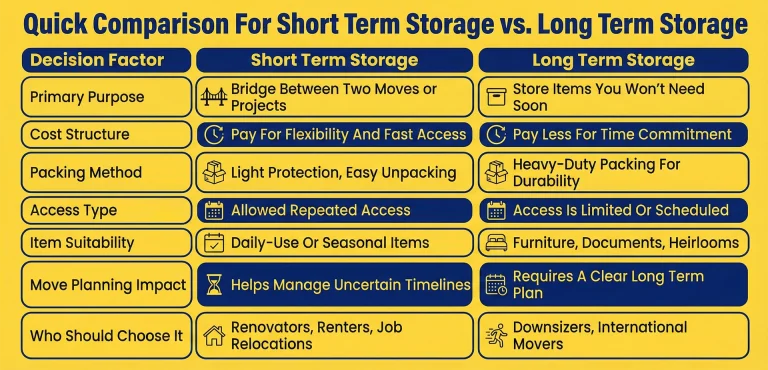
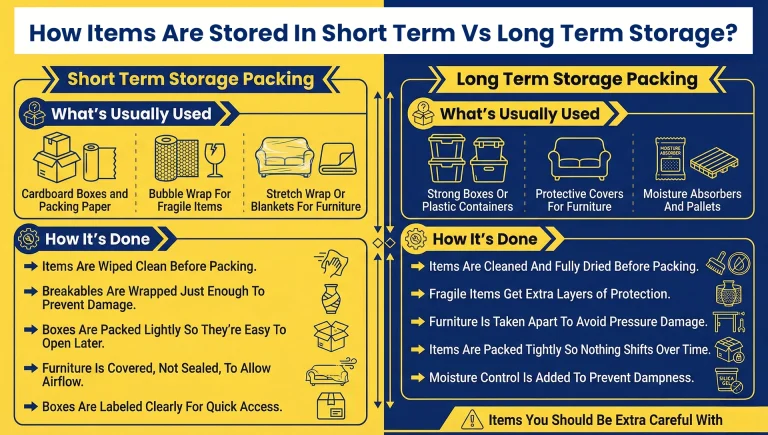
Understanding how storage fits different situations makes transitions easier to manage. For deeper guidance on choosing the right option, explore our Short Term vs Long Term Storage Guide before planning your next move.
Common Storage Questions Answered
Q: Where Can I Find Self Storage Units For Job Relocation Near Me During Temporary Moves?
A: Economical Movers offers secure self storage units for job relocation near me, keeping belongings safe while waiting for new housing arrangements.
Q: What Is The Best Self Storage For Downsizing When Moving Into A Smaller Home?
A: Self storage for downsizing from Economical Movers helps store extra furniture and household items safely while adjusting comfortably to smaller living spaces.
Q: Are College Student Storage Units Useful During Semester Breaks Or Temporary Housing Changes?
A: College student storage units by Economical Movers provide flexible space to store dorm belongings safely between semesters, internships, or temporary accommodation changes.
Q: Where Can I Find Storage For Heirlooms And Antiques Near Me For Long Term Protection?
A: Economical Movers offers storage for heirlooms and antiques near me with secure environments designed to protect delicate and valuable belongings properly.
Q: Why Should I Choose Heated Storage Near Me For Furniture And Sensitive Household Belongings?
A: Heated storage near me from Economical Movers helps prevent moisture damage, protecting furniture, electronics, and important household items during seasonal temperature changes.