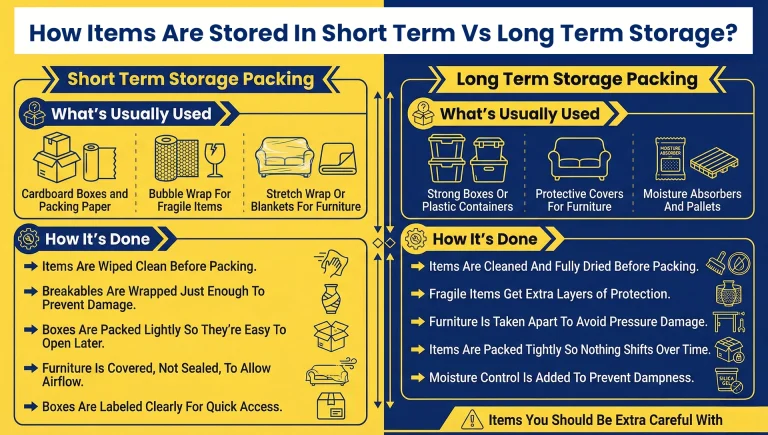
Ottawa winter moves require snow removal tools, floor protection, warm clothing, temperature-safe packing, a vehicle emergency kit, and utility confirmation — overlooking these essentials turns a simple move into a stressful ordeal.
Moving in winter isn’t just about colder temperatures and snowfall; it’s about planning for unpredictability.
In Ottawa, winter moves often involve snowstorms, icy walkways, shorter daylight hours, and sudden temperature drops that can quickly turn a simple relocation into a stressful experience if you’re not prepared.
To help you avoid these challenges, this winter moving checklist is designed for people planning a move in Ottawa during Canada’s colder months.
Based on real-world winter moving experiences in the region, it focuses on essential, season-specific items that often get overlooked.
If you’re moving in winter in Canada, this guide will help you stay safe, organized, and prepared, no matter what the forecast brings.
Before You Pack: Winter Move Planning In Ottawa (Often Overlooked)
Top-ranking winter moving guides all emphasize one thing: planning matters more in winter.
Before packing boxes, make sure you:
- Monitor local Ottawa weather forecasts 5–7 days ahead.
- Build flexibility into your moving schedule.
- Confirm details early with your moving company.
- Plan alternate routes and parking in case of snow buildup.
Mover insight: Winter conditions can change overnight. Clients who plan for delays experience far less stress on moving day.
Why Winter Moves Need A Separate Checklist
Moving in winter in Canada presents challenges you won’t face during warmer months:
- Snow and ice limiting access – Driveways, walkways, and loading areas can become unsafe or unusable without preparation.
- Cold-sensitive belongings – Electronics, instruments, and liquids can freeze or crack in sub-zero temperatures.
- Safety risks for people and property – Slips, falls, and damaged flooring are far more common during winter moves.
- Longer load and unload times – Icy conditions require slower movement and extra precautions to prevent accidents.
That’s why this winter moving checklist for Ottawa residents focuses on what actually goes wrong during winter moves, not just generic moving advice.
Many unexpected items people forget to pack when moving become even more critical during winter, especially when weather, safety, and timing are working against you.
Winter Packing Essentials Often Forgotten During Ottawa Winter Moves
1. Snow Removal Tools (Even If the Forecast Looks Clear)
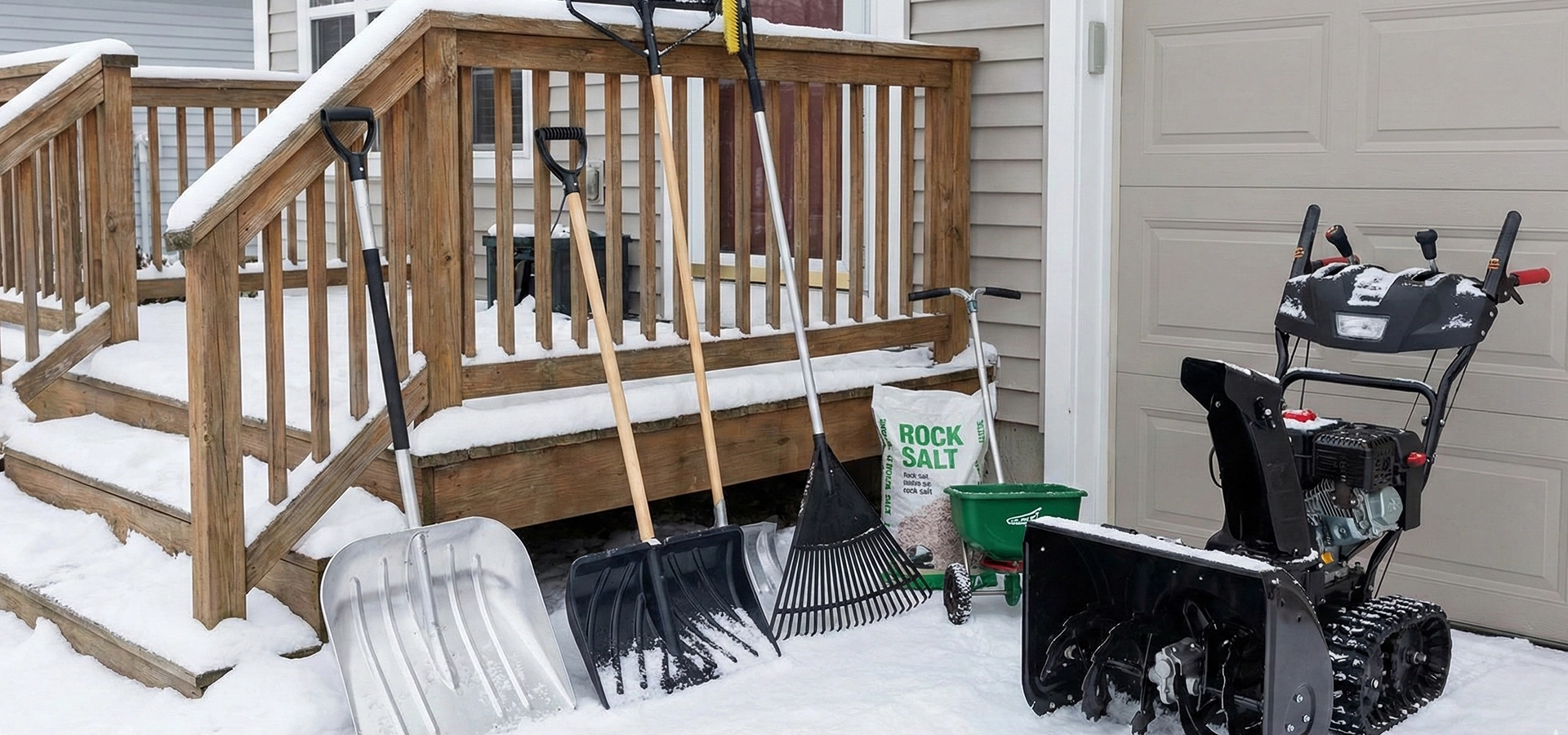
Snow can accumulate quickly in Ottawa.
Snow accumulation in Ottawa neighbourhoods can change overnight, even when clear skies are forecast.
Often forgotten:
- Snow shovel – Clears walkways and driveways so movers can safely access your home.
- Ice scraper – Breaks compact ice that shovels can’t remove, reducing slip risks.
- Salt or sand – Improves traction on icy surfaces, helping prevent falls and delays.
Clear access keeps movers safe and prevents delays.
2. Winter-Ready Clothing & Footwear
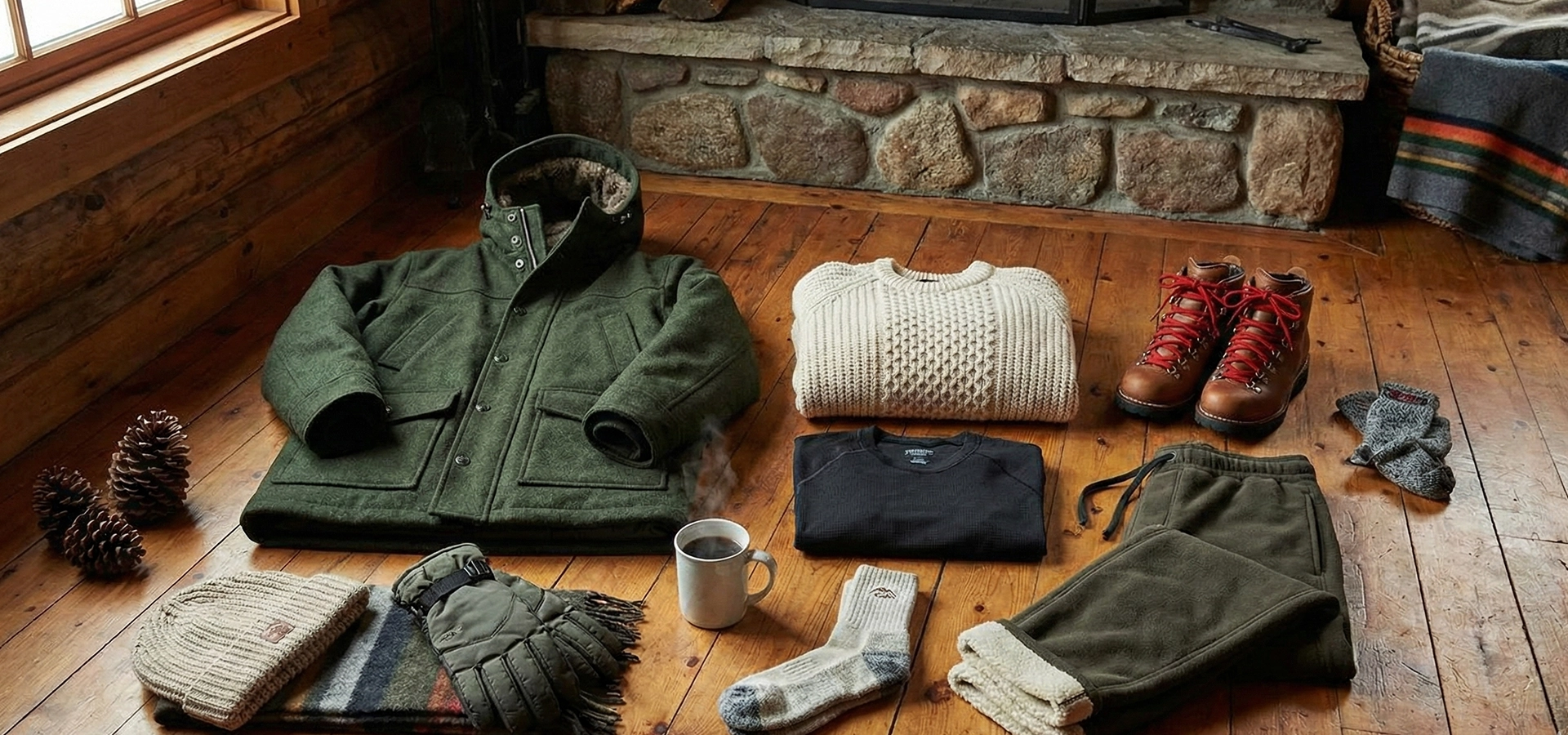
Many clients pack winter gear too early and can’t find it on moving day.
Keep these items readily accessible:
- Waterproof boots – Provide traction on snow and slush while keeping feet dry.
- Gloves and hats – Protect hands and ears from frost exposure during loading breaks.
- Thermal layers – Help regulate body temperature when moving between indoors and outdoors.
Standing outside without proper gear in sub-zero temperatures can become dangerous fast.
3. Floor Protection For Snow and Slush
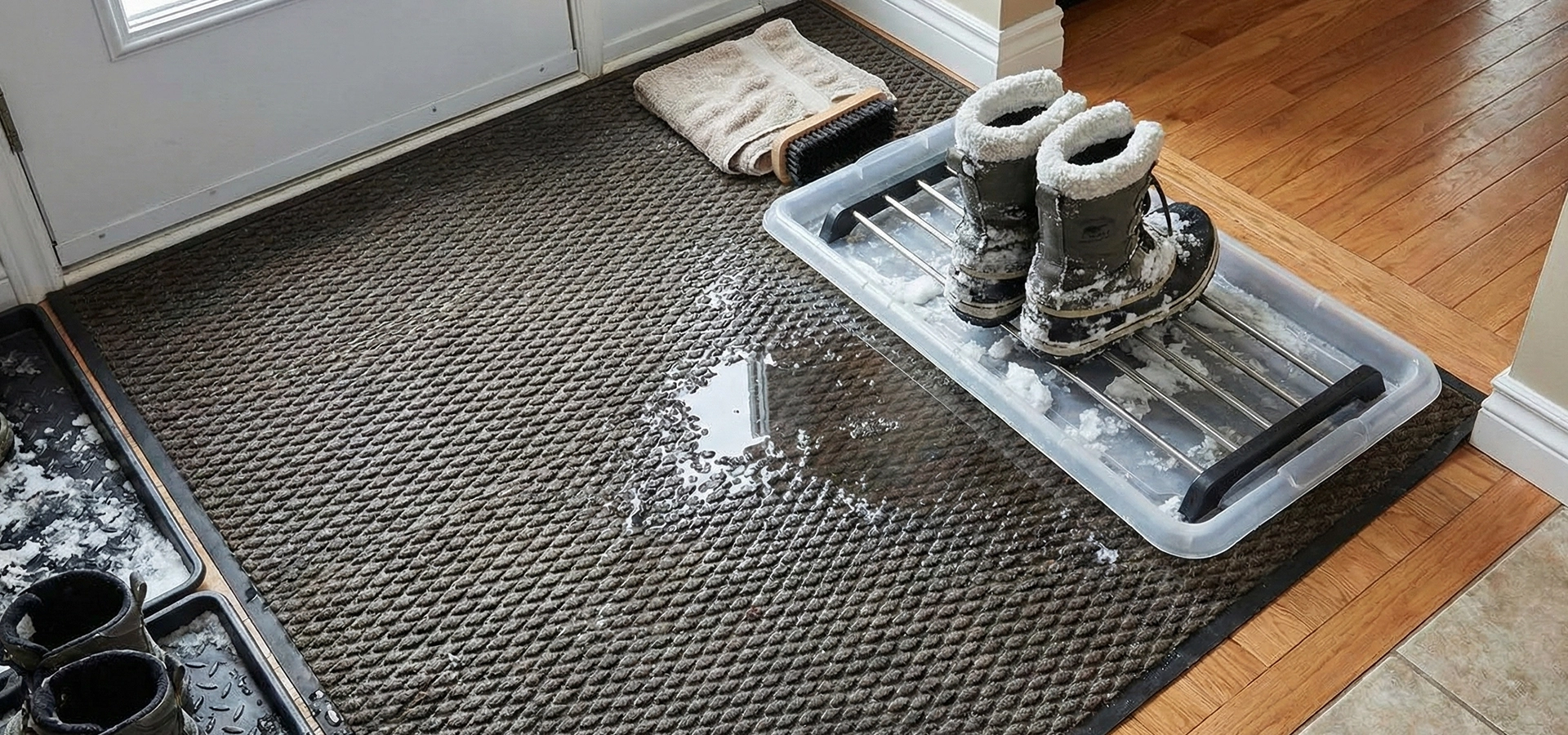
One of the most overlooked winter packing essentials.
Bring:
- Old towels – Absorb melting snow and moisture before it damages flooring.
- Cardboard runners – Create safe walking paths and reduce slipping on smooth surfaces.
- Plastic sheets – Protect carpets and hardwood floors from water, salt, and slush.
Protects floors and prevents slips as snow melts indoors.
4. Temperature-Sensitive Items
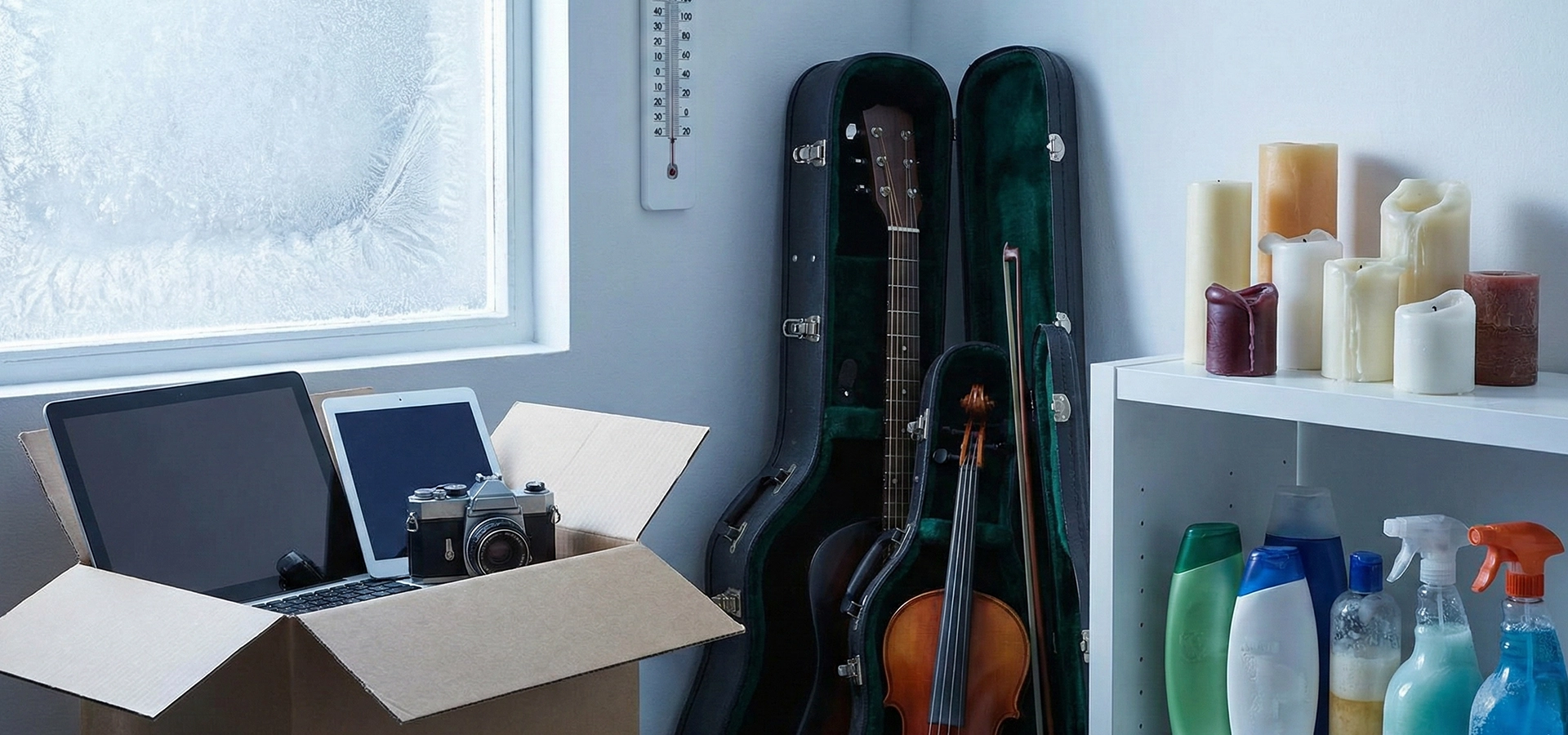
Freezing temperatures can permanently damage certain belongings.
Ottawa winters often dip well below freezing, making even short exposure to cold a serious risk for delicate items.
Do not leave in cold trucks overnight:
- Electronics – Batteries, screens, and internal components can fail in extreme cold.
- Musical instruments – Wood and strings may crack or warp when exposed to freezing temperatures.
- Candles – Wax can deform or separate due to sudden temperature changes.
- Toiletries and cleaning liquids – Liquids can freeze, expand, and burst containers.
Whenever possible, pack these items separately and keep them with you during the move.
5. Winter Vehicle Emergency Kit
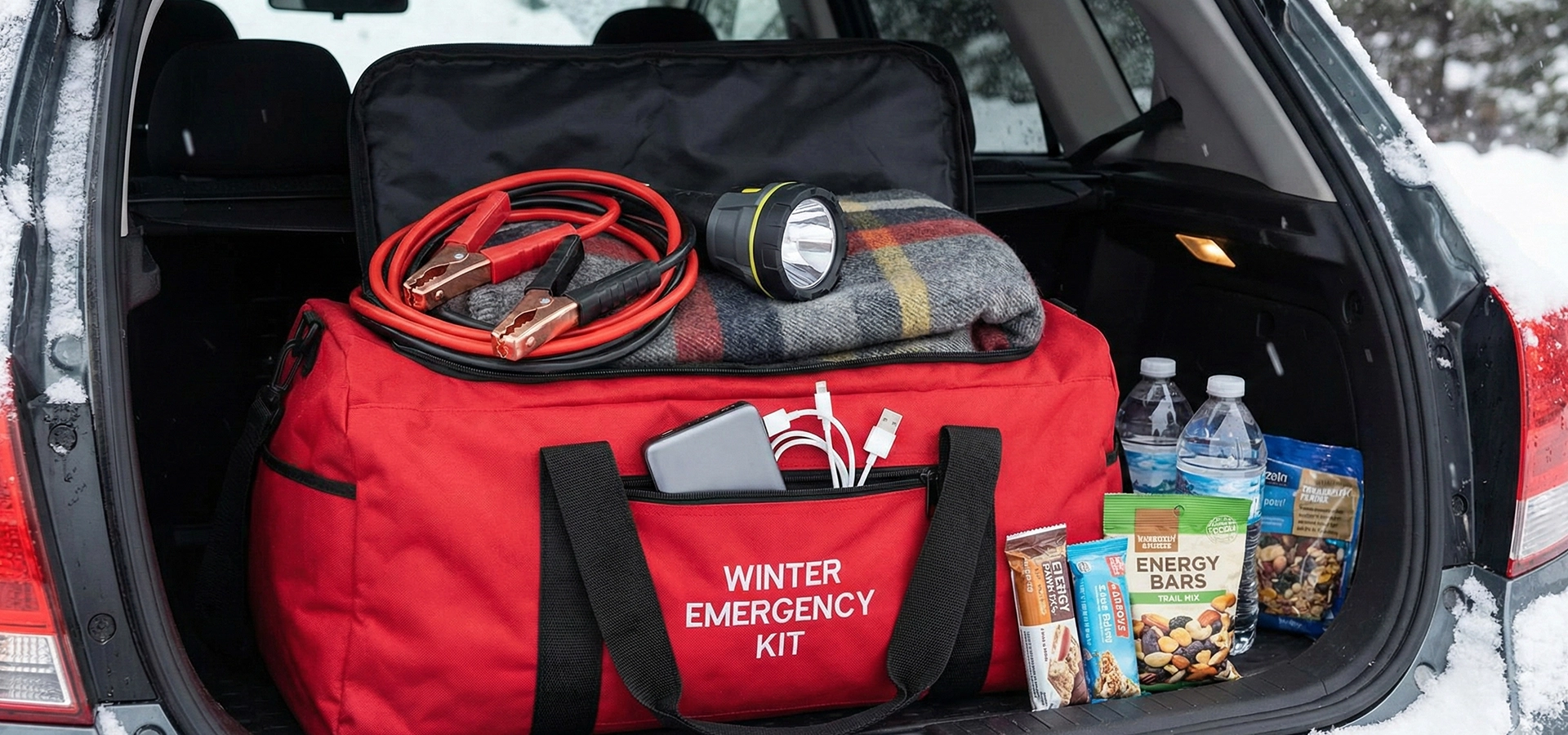
Even short-distance winter moves can involve delays.
Include:
- Jumper cables – Help restart vehicles affected by cold-drained batteries.
- Flashlight – Provides visibility during breakdowns or low-light winter hours.
- Phone power bank – Keeps communication available if delays extend longer than expected.
- Blankets – Maintain body warmth if you’re stuck in freezing temperatures.
- Water and snacks – Prevent fatigue and dehydration during prolonged winter waits.
Especially important for Ottawa traffic during snowstorms.
6. Hot Drinks & Energy Snacks
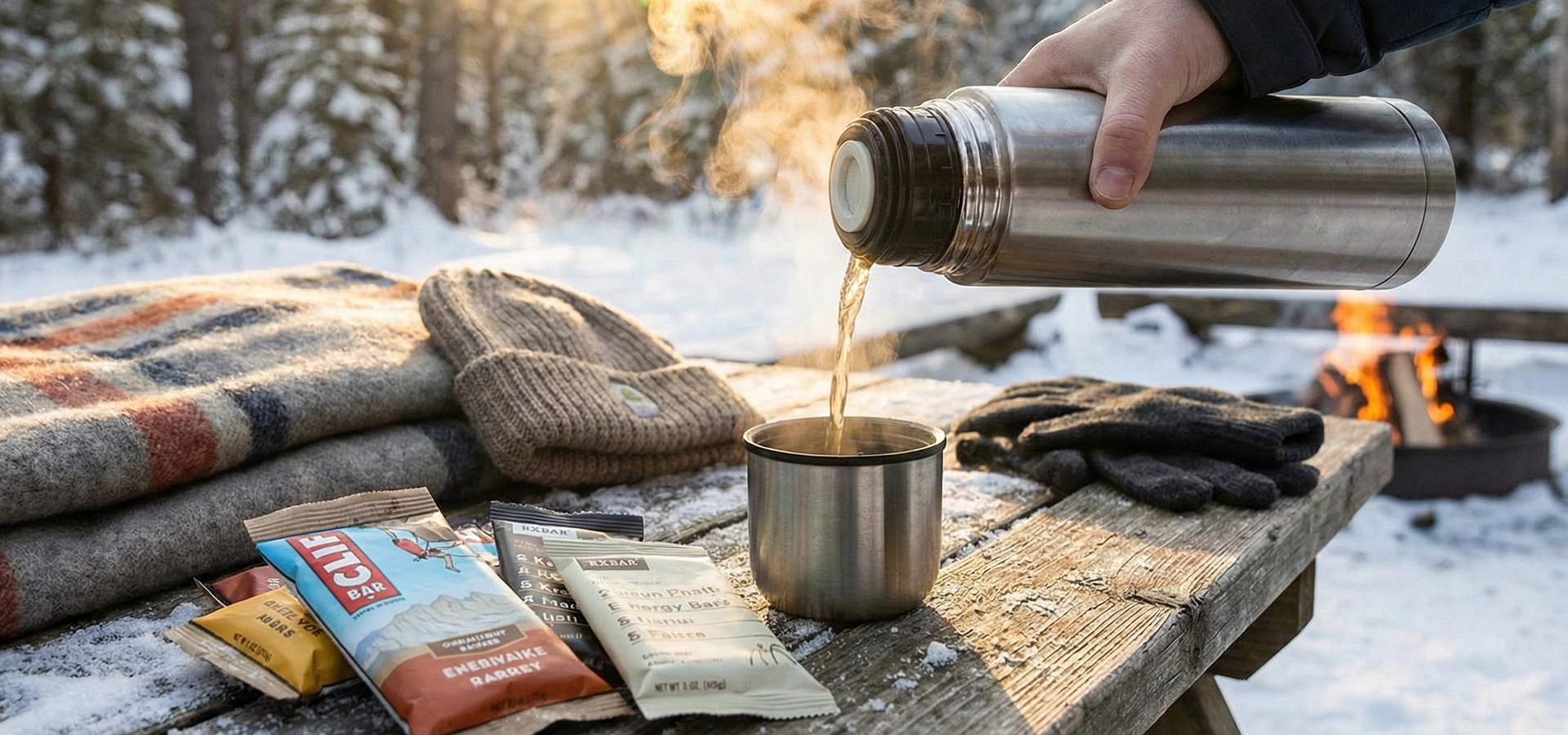
Often underestimated—but movers notice the difference.
Helpful items:
- Thermos with tea or coffee – Helps maintain body warmth during long periods outdoors.
- Energy bars – Provide quick, sustained energy during physically demanding winter moves.
Keeps energy levels up and helps everyone stay warm.
7. Pet Winter Essentials
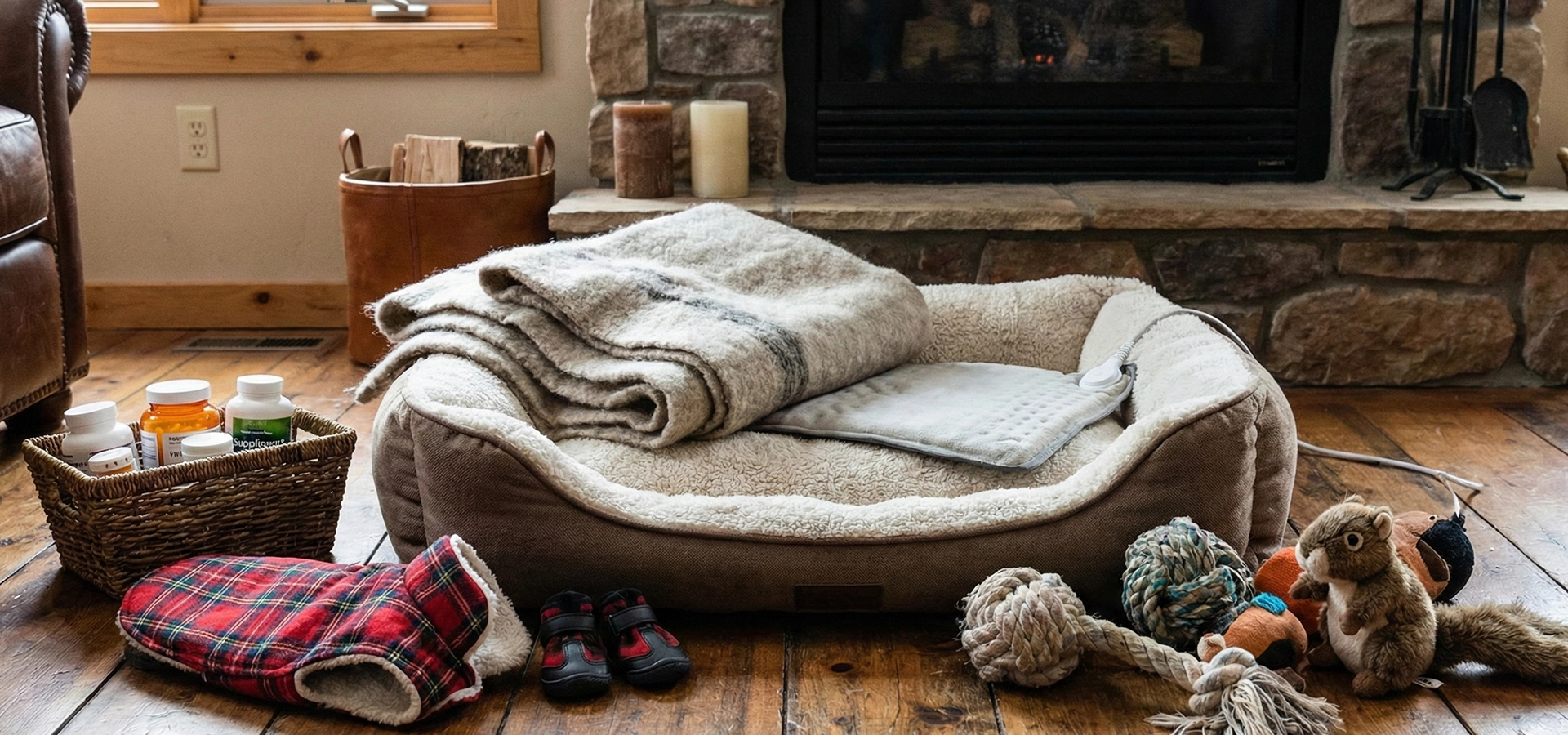
Pets feel the cold and stress of moving, too.
Pack these items separately:
- Warm bedding – Keeps pets insulated and comfortable in cold environments.
- Pet coats or booties – Protect against freezing temperatures, snow, and salt-covered surfaces.
- Medications – Ensure timely doses during travel or unexpected delays.
- Familiar toys – Help reduce anxiety and provide comfort in unfamiliar surroundings.
Pets should never be left in cold vehicles or in empty homes.
8. Lighting For Short Winter Days
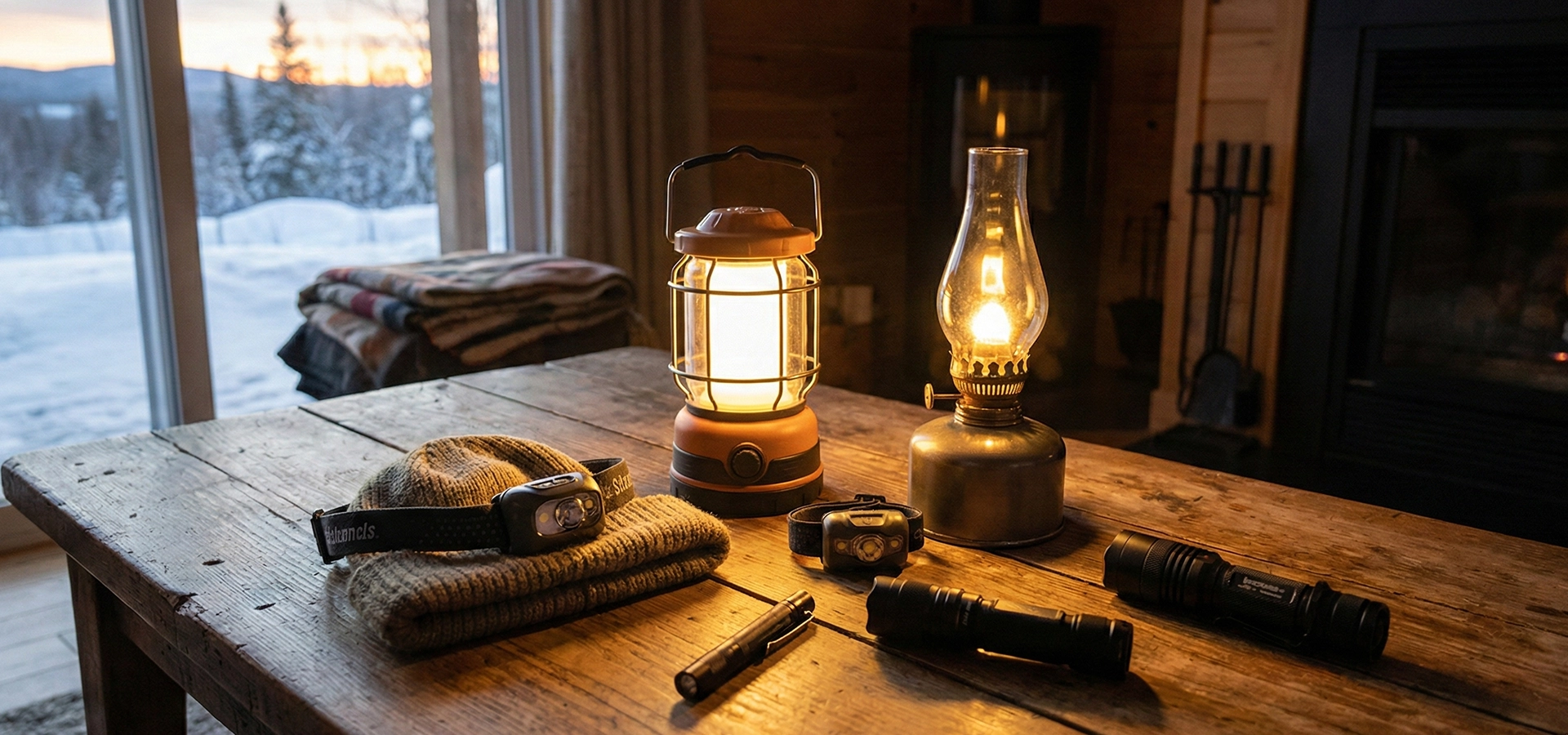
Winter moves often run into low-light hours.
Frequently forgotten:
- Portable lamps – Provide consistent lighting in empty rooms and hallways.
- Flashlights – Offer quick visibility during power gaps or outdoor loading.
- Headlamps – Keep your hands free while carrying items in dim or icy conditions.
Better visibility reduces accident risks when moving in winter in Canada, especially during shorter daylight hours.
9. First-Night Winter Survival Box

Unpacking in the cold is exhausting.
Include:
- Blankets – Provide immediate warmth before heating fully stabilizes.
- Pyjamas and warm socks – Help your body recover and stay warm overnight.
- Toiletries – Avoid searching through boxes after a tiring day.
- Phone chargers – Keep devices powered for communication and navigation.
Saves you from digging through boxes late at night.
10. Important Documents & Contacts
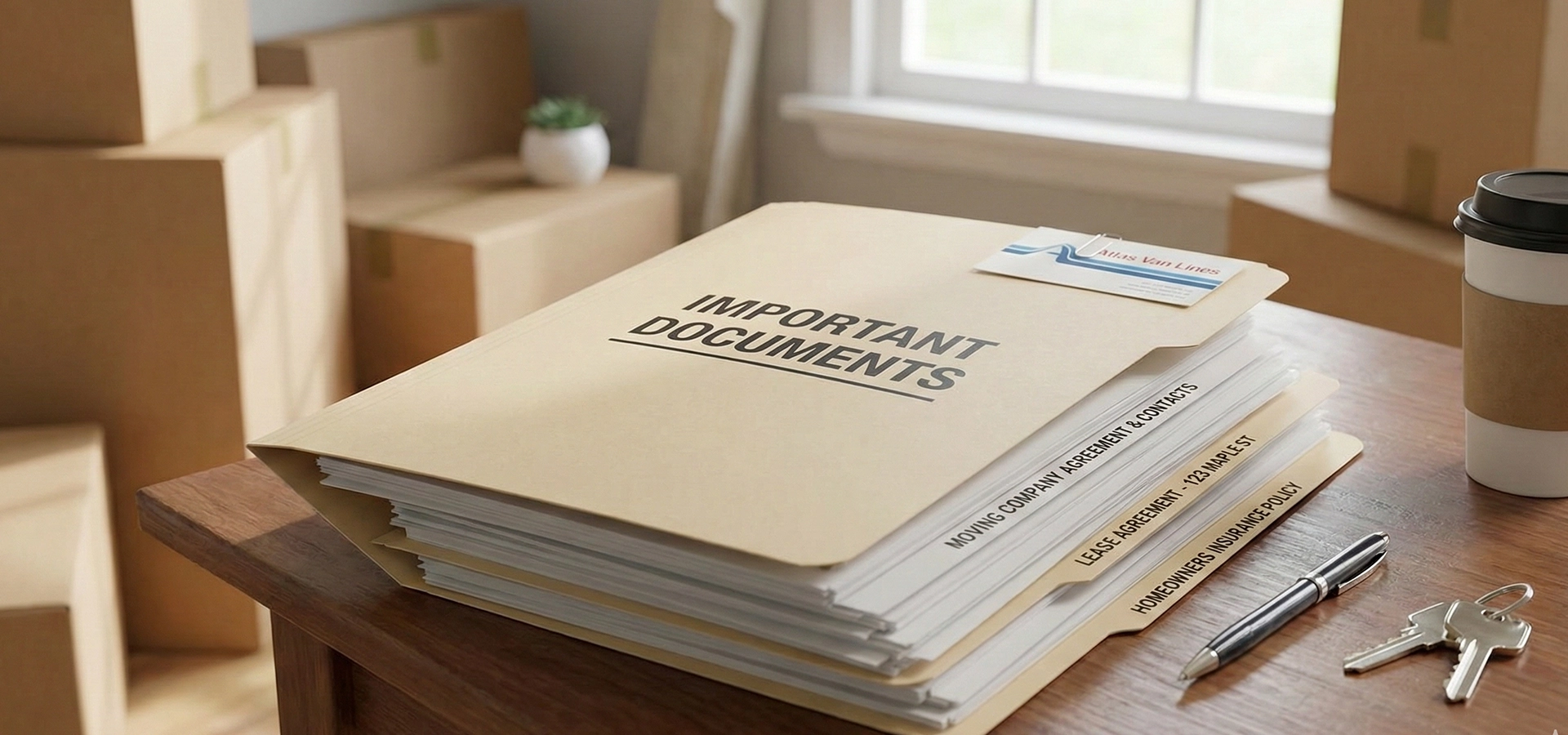
Weather-related delays make accessibility critical.
Keep with you:
- Moving company contacts – Allows quick coordination if weather or timing changes.
- Lease or purchase documents – Provides proof of occupancy if access issues arise.
- Insurance paperwork – Ensures coverage details are available in case of damage or delays.
Confirm Utilities Before Move-In (Critical In Winter)
One significant gap in many winter checklists is utility readiness.
Before moving day, confirm:
- Indoor heating is active before move-in – prevents indoor temperatures from freezing and protects plumbing.
- Electricity and water are running – Ensures basic functionality for lighting, cleaning, and sanitation.
- Gas is connected – Supports heating systems, hot water, and cooking where applicable.
- The Internet Is scheduled – Helps avoid delays, especially for remote work or emergency communication.
Winter utility delays are common in Canada; confirm 48–72 hours in advance.
Why Winter Moves May Take Longer (And Why That’s Normal)
Professional take extra precautions during winter to protect people, property, and belongings:
- Slower walking on icy surfaces – Reduces the risk of slips, falls, and injuries.
- Extra floor protection – Prevents water, salt, and slush from damaging interior flooring.
- Additional weatherproofing – Shields furniture and boxes from snow, moisture, and cold air.
A slightly longer move means safer handling and fewer damages.
Economical Movers’ Winter Moving Tip
In winter, the goal isn’t speed, it’s safety.
Allowing extra time for careful loading, proper floor protection, and secure wrapping significantly reduces the risk of injury and damage.
Clients who plan for slightly longer move times almost always experience smoother, safer winter relocations.
Final Thoughts: A Smarter Way To Move In Winter
Moving in winter in Canada doesn’t have to be complicated.
With proper planning, local awareness, and a detailed winter moving checklist, you can avoid the most common mistakes Ottawa movers see every season.
Focus on safety, preparation, and winter-specific essentials and your move will be smoother, warmer, and far less stressful.